Vibe Coding Is a Trap — Why AI-Generated Code You Don't Understand Will Cost You
There's a story going around Reddit that hit me hard.
A guy spent three months building a side project with AI. Everything worked. The app shipped. Life was good. Then he needed to add one small feature — and realized he had no idea how his own code worked.
He ended up deleting 70% of it. Rewrote the whole thing in two weeks. Half the code, zero unnecessary complexity, and for the first time, he actually understood what he built.
The AI hadn't written bad code. It had written code that looked like it came from a big company — layers of abstraction, configuration systems for things that only had one option, wrappers on top of wrappers. All for a project built by one person.
This is what vibe coding looks like when the vibes run out.
What Even Is "Vibe Coding"?
You've probably done it even if you don't know the term. Vibe coding is when you tell AI what you want, it writes the code, you glance at it, it looks fine, and you move on. You're not really reading it. You're going by feel. The vibes are good, so you ship it.
And for a while? It feels amazing. You're building things faster than ever. The AI writes code that looks professional. Everything runs. You feel unstoppable.
Then something breaks.
And you're staring at code that has your name on it but feels like someone else wrote it. Functions you never asked for. Patterns you didn't choose. A project that somehow got huge while you weren't looking.
It's Only Getting Faster
Here's the thing — AI coding tools aren't slowing down. They're getting more autonomous. The latest trend is "agentic coding" — where the AI doesn't just suggest a line, it writes entire features on its own. It creates files, runs tests, fixes errors, all without you touching anything.
That's powerful. But it also means the gap between "what the AI built" and "what you understand" is growing every month.
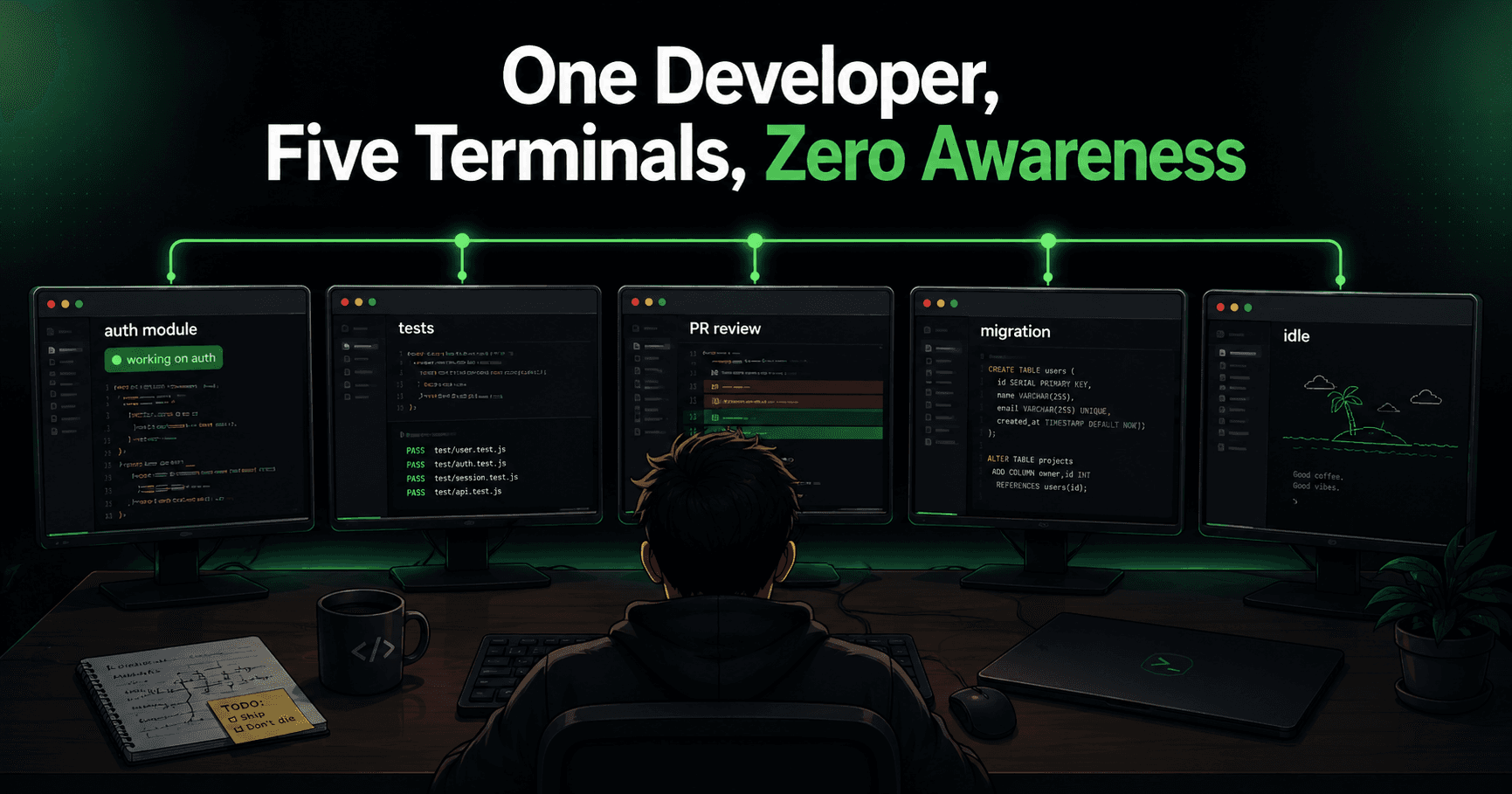
When AI was just finishing your sentences, you were still driving. Now it's writing whole chapters while you're getting coffee. You come back to 400 new lines of code and think... I guess that's fine?
There's a line from that Reddit thread that stuck with me: "Speed without understanding isn't productivity. It's deferred confusion."
That's it. That's the whole problem.
Where It Falls Apart
When something breaks, you're lost. You didn't write it. You didn't design it. And the AI that did? It doesn't remember either. Every new conversation starts from scratch. So now you're debugging code you don't understand with an AI that doesn't remember building it.
When you need to add something real, you can't. The Reddit guy lived this. His AI built all these clever abstractions for problems he didn't even have. When he needed to add an actual feature, he had to first figure out all the unnecessary complexity the AI created. It was easier to start over.
The understanding disappears overnight. Maybe you spend an afternoon tracing through the code. You finally get it. The next morning? Gone. Not because you're forgetful — but because the AI that helped you understand it yesterday has zero memory of that conversation. You're explaining your own project to it all over again.
So What Do You Actually Do?
Look — nobody's going back to writing everything by hand. AI is too useful. The point isn't to stop using it. The point is to stop blindly trusting it.
Actually read what it writes. I know, obvious. But be honest — how often do you really read the full output before hitting accept? Take 60 seconds. If you can't explain it, don't ship it.
Write down your decisions. Why did you pick this approach? Why not the other one? The AI won't remember tomorrow, and honestly, neither will you. Keep a running log of the important calls.
Give your AI a memory. This is the big one. The core problem with vibe coding is that every AI session starts with amnesia. You explain everything, build something great, close the tab, and tomorrow it's all gone. The AI writes code that contradicts what you decided yesterday because it literally doesn't know yesterday happened.
That's why tools like ContextForge exist. It gives your AI persistent memory — your project context, your architecture decisions, your patterns — all carried across sessions. Instead of your AI writing generic code in a vacuum, it writes code that actually fits what you've already built. Because it remembers what you've already built.
Keep things simple. Small files, clear names, obvious structure. AI works better with less complexity, and so do you when you come back to it later.
The Real Takeaway
That developer didn't have a bad AI. He had a fast AI and no way to keep context between sessions.
Vibe coding isn't evil. The trap is letting AI generate code while you stop paying attention — and while the AI itself forgets everything between conversations.
The people doing well with AI coding right now aren't the fastest shippers. They're the ones who ship fast and can still explain what they built two weeks later.
Speed you can sustain beats speed you can't.
ContextForge gives your AI persistent memory — so it writes code that fits your project, not generic code you'll delete later. Free tier available at contextforge.dev
Share this article